

It’s National Financial Literacy Month (FLM), where the Financial Consumer Agency of Canada (FCAC) helps equip Canadians with practical tools and tips to manage their money in a changing world. Throughout November, the FCAC is discussing the ever-changing financial marketplace and the importance of checking up on financial health.
At Magenta, our purpose is to connect people with opportunities to build a better tomorrow. This month, we’re furthering that purpose by supporting National Financial Literacy Month and sharing resources dedicated to helping Canadians:
- manage their money and debt wisely;
- save for the future; and
- understand their financial rights.
This year’s Financial Literacy Month campaign encourages Canadians to have purposeful conversations about money and financial moments that can help them feel more confident and increase their well-being. As brokers and investment advisors, you play an important role in facilitating these conversations and in normalizing financial planning. As a society, we are still reluctant to talk about negative experiences that may carry stigmas, like financial fraud. Let’s break the ice with 5 easy ways clients can improve their financial security.
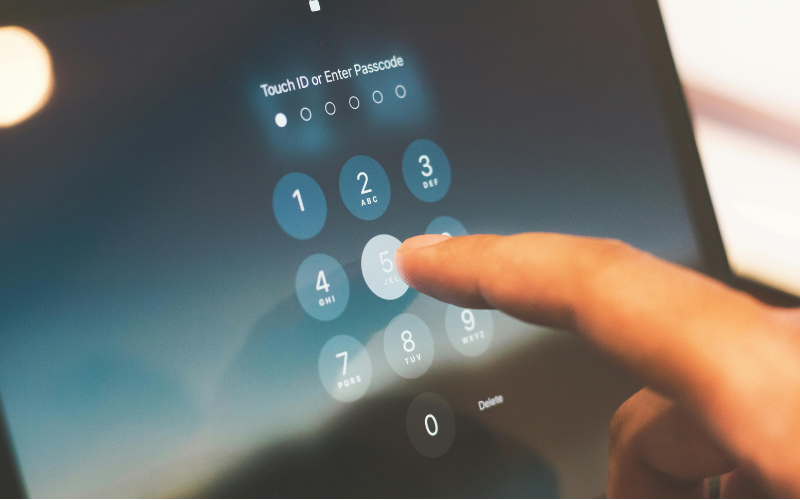
Tip #1: Keep Passwords and PINs Safe
With the proliferation of financial apps and websites that help your clients with banking, investing, and trading, there are more points of failure than ever before when it comes to unauthorized access to their money. Clients can protect themselves by following the tips below:
- never share passwords and PINs with anyone
- memorize passwords and PINs rather than writing them down
- write passwords down and keep them in a safe place, away from a computer or wallet (if they can’t memorize them)
- change passwords and PINs often; especially in response to security breaches at sites they may have reused passwords for
- ensure they don’t use the same passwords and PINs for multiple cards and accounts
- hide the keypad when entering a PIN at an ATM or payment terminal
Practicing good password hygiene helps your clients protect their accounts and sensitive data from unauthorized access, breaches, and theft.
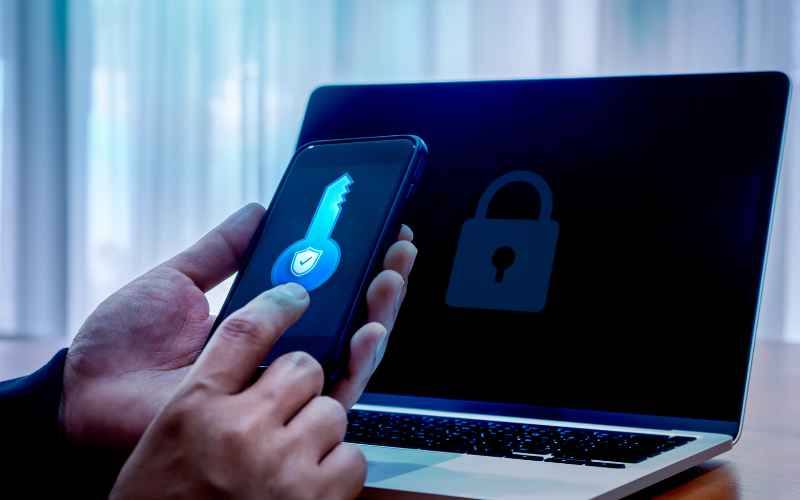
Tip #2: Multi-Factor Authorization
Encourage your clients to enroll in multi-factor authorization (MFA) whenever possible. This might take the form of associating a phone number or email address with their account. Supplemental codes will be sent and need to be typed alongside their passwords, or biometric measures like face or fingerprint scans.
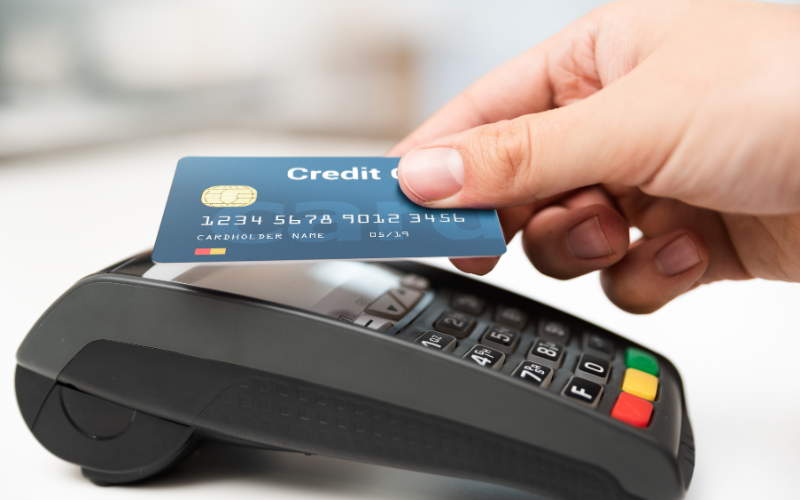
Tip #3: Reduce Debit and Credit Card Limits
Most debit and credit cards have built-in thresholds that will alert their owner in the event of unusual activity, such as a large purchase. They also have a limit for how large a transaction can be made without a PIN via ‘tapping’ the card. It may be prudent for clients in higher-risk demographics for fraud, such as older adults, those new to Canada, and those with lower income, to speak with their bank to reduce daily card limits or possibly deactivate tapping functionality entirely.
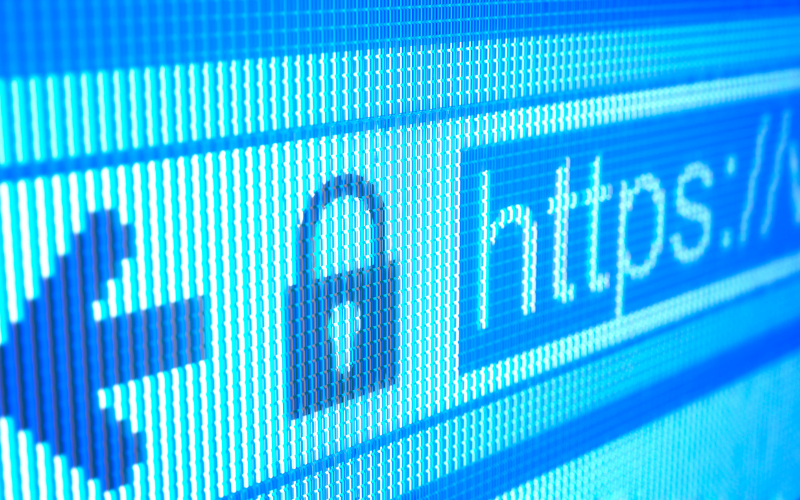
Tip #4: Practice Security Online
Credit card fraud often occurs online. Clients need to be cautious about which sites they trust their information with by looking for websites with addresses starting with “https” or with a padlock image in the address bar. Keeping their phones and computers up to date is an important part of protecting against viruses and spyware that can log credit card information. Finally, avoid inputting credit card information into unsecured and non-encrypted sources.
Tip #5: Keeping Email Safe
Staying safe over email doesn’t have to be complicated. Tips to share with your clients could include using multi-factor authentication (MFA), choosing strong and unique passwords, and being cautious with unexpected links and attachments. It’s always prudent to avoid sending confidential or sensitive information by email, and if something looks suspicious, take a moment to verify it before responding or clicking. A little extra caution can go a long way in protection from phishing, malware, and compromised accounts. For password tips, check out our blog, Digital Safety with Magenta: Password Protection.
We hope you enjoyed talking about money with us throughout Financial Literacy Month. Just because Financial Literacy Month is almost over, it doesn’t mean the learning journey has to end.
Check out some of our other blogs from our Financial Literacy Month series when you visit our Blog Resources page.
Disclaimer
The opinions and viewpoints presented in this document are exclusively those of the several writers and do not represent the perspectives of any associated individuals or organizations, including but not limited to the writers’ current or former employers. This article serves purely informational purposes, and the writers have made efforts to verify the accuracy of the information and analysis. The writers take full responsibility for any opinions, forecasts, or predictions made. They do not guarantee the precision or completeness of the document’s contents. This document does not offer professional or investment advice. The writers will not be liable for any consequences resulting from reliance on this piece. Readers should consult with a certified expert before making any financial decisions.